History
Rage comics: when the internet drew itself in MS Paint
Wobbly lines, a handful of faces and one big feeling per panel. The crude comics that gave us Trollface, Forever Alone and Y U No.

In 2008 someone posted a four-panel comic about a toilet mishap, drawn badly in MS Paint, ending with a red-faced figure screaming FFFFFUUUUUUUU. It was rough on purpose, and it was instantly copied. Within a couple of years there were whole communities making rage comics: short strips about everyday life, built from a shared library of faces, each face standing for one emotion.
A face for every feeling
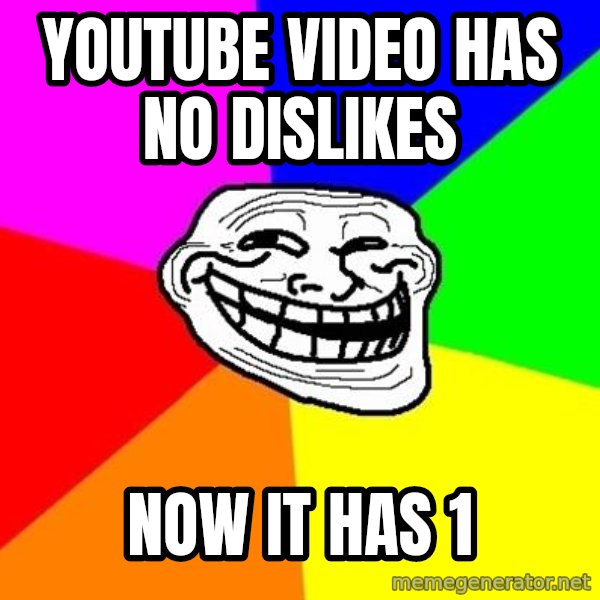
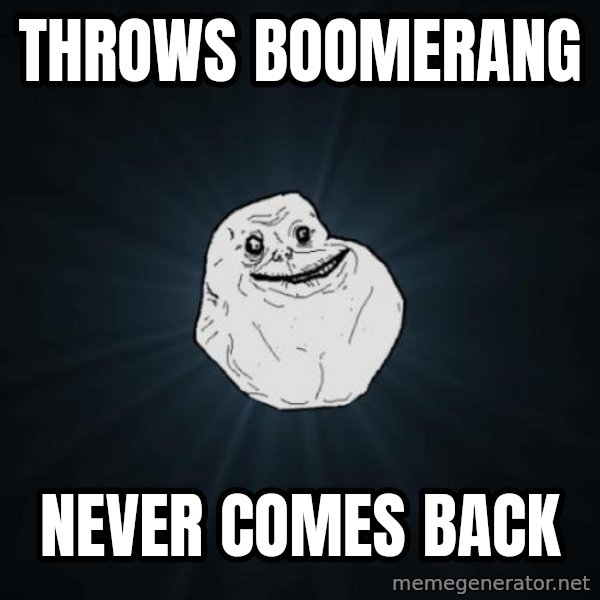
That library is what made rage comics a language. You didn't have to be able to draw - you pasted in the face that matched how you felt. Trollface, drawn in MS Paint in 2008, meant you had just got away with something. Forever Alone meant exactly what it says. Me Gusta meant a strange kind of approval. The Y U No guy, arms thrown up, meant that something refuses, again, to just work.
Trollface: Trollface is the iconic rage comic grin: a wide, mischievous smile drawn in MS Paint by Carlos Ramirez in 2008.
From comic to caption
Some of the faces were so expressive they escaped the comics entirely and became memes of their own, used with top and bottom text like any advice animal. Forever Alone became the face of every solo Valentine's Day; Y U No is still one of the most used memes on this site.
Y U No: Y U No is a rage comic face: a crudely drawn figure in a Japanese manga style, throwing both arms up in exasperation with its mouth wide open.
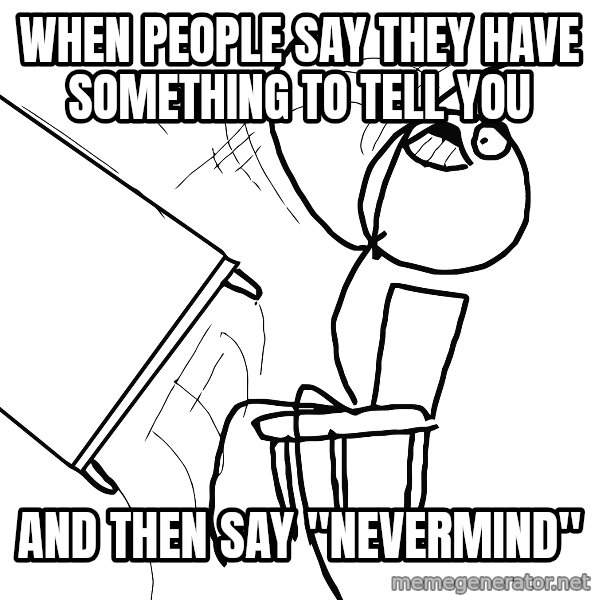
The style was deliberately unpolished, and that was the point. Rage comics said that anybody could make something funny with the cheapest tool on their computer - which is the same idea this site was built on.
More stories
- What is a meme, anyway? - A word a biologist made up in 1976 now names the internet's favourite kind of joke. How a picture and two lines of text became a language millions of people speak.
- Top text, bottom text: the grammar of a meme - White capital letters with a black outline, one line above the picture, one below. Every part of the classic meme layout is doing a job.
- Advice animals: the colour-wheel years - A dog in front of a rainbow wheel started a whole family of characters, each with one personality and one job. How Advice Dog's descendants took over the internet around 2010.
- Meme Celebrities: the people behind the faces - A yearbook photo, a stock photo shoot, a day at the beach. Nine ordinary people who woke up one morning to find their face had become a joke the whole world knew.
- From the big screen to the top text - A line from The Lord of the Rings, a smirk from 1971, a beer advert and a squinting cartoon. How film and TV became the internet's favourite raw material.
- Beyond two lines: panels, boxes and captions - Top and bottom text is only one way to caption a picture. The newer formats put words in boxes, beside panels or above the image - and you can make all of them here.
- How to make a meme that lands - Pick the right face, follow its formula, keep it short and be specific. Five rules from the millions of posts made on this site.